

Churches
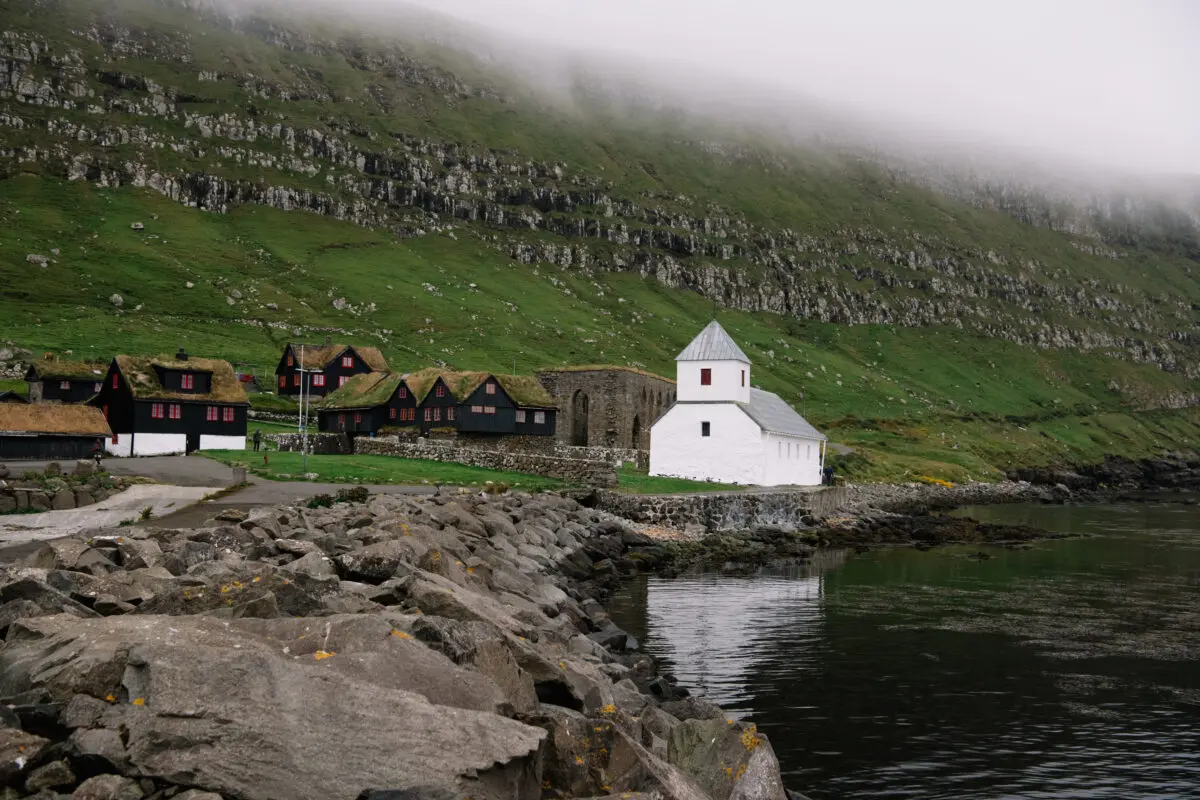
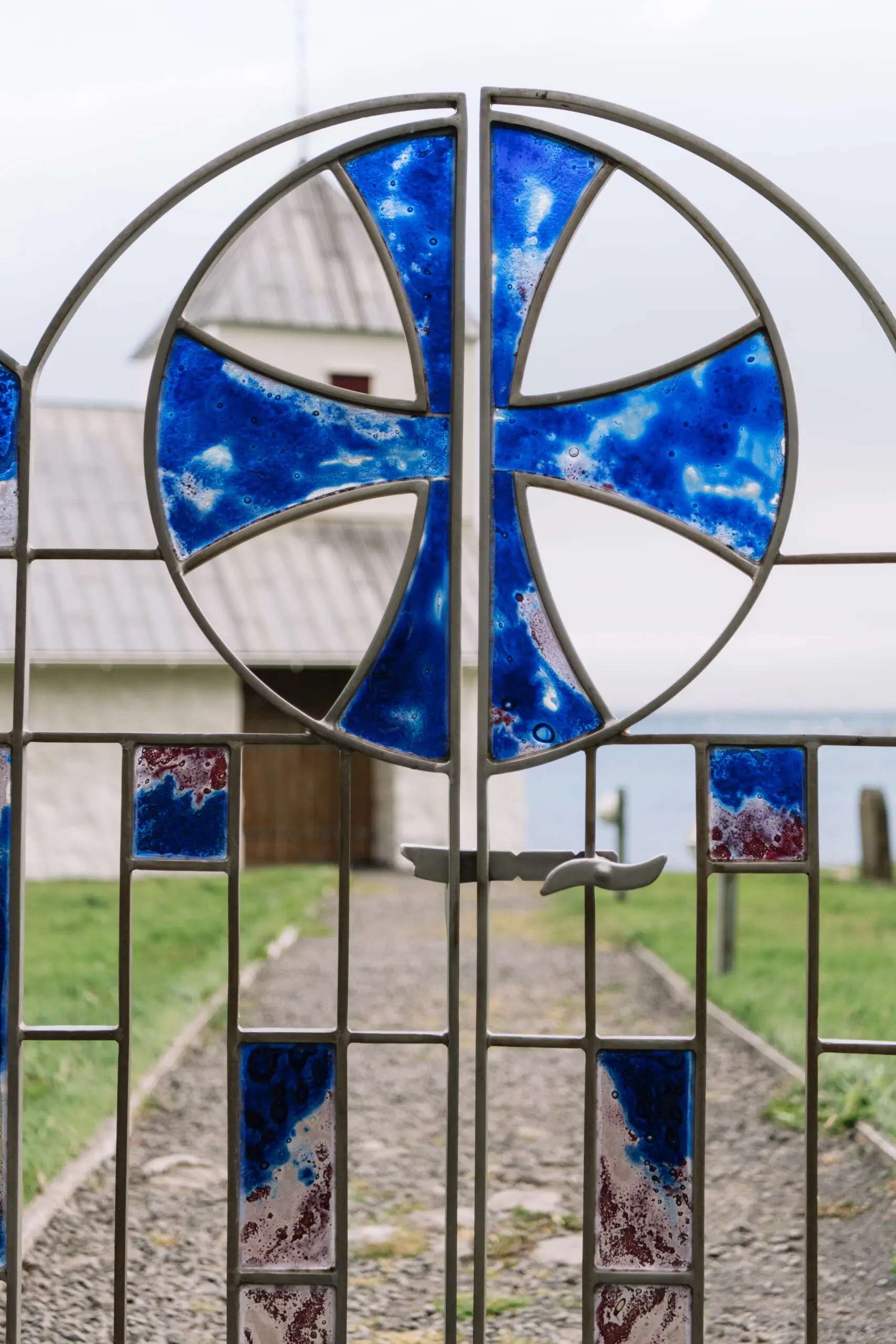
Photo: Klara Johannesen / Visit Faroe Islands
From Saga to Modernity:
The Evolution of Christianity in the Faroe Islands
The Faroe Islands adopted Christianity around 1000 AD. According to the Faroese saga, Sigmundur Brestisson built a church on Skúvoy, and other chieftains likely followed suit, though a formal church system probably wasn’t established until after 1100.
Shortly after, an episcopal residence was founded in Kirkjubø under the archdiocese of Nidaros, Norway (established 1153), and the Faroes remained one of Nidaros’s eleven dioceses until the Reformation. Of the 33 known Catholic bishops, the most notable was Erlendur (1268–1308), who began construction of St. Magnus Cathedral in Kirkjubø.
Around 1538, Jens Gregersøn Riber became the first Lutheran bishop, serving until 1557. The islands then passed through several dioceses: Bergen, Norway; Zealand, Denmark (from 1620); and Copenhagen (from 1923). They became a suffragan diocese in 1963 and fully independent in 1990, with Havnar Kirkja in Tórshavn as the cathedral.
The islands were originally divided into seven parishes, each with a vicar. This structure held until 1913, with further subdivisions in 1928, 1934, 1947, 1973, 1976, and 2000.
Priests were traditionally supported by a rectory, later a widow’s farm, plus offerings, fees, and tithes (the latter two abolished in 1908). Free conveyance for priests ended in 1936. Churches were built by parishioners, run by churchwardens under county oversight, and funded by tithes.
Latin was used in services until the Reformation, after which Danish became the church language for centuries. Faroese gradually took over starting in the 19th century: the Gospel of Matthew was translated in 1823, the ritual book in 1930, the New Testament in 1937, and the altar book in 1939 — the same year a royal decree permitted regular Faroese-language services. The first Faroese hymn book followed in 1956. An earlier translation of the English Bible was published in 1949, and the authorized Faroese Bible translation followed in 1961.
As of 2026, the Church of the Faroe Islands has 41,616 members — about 76 percent of the population.
Sources: Historical information adapted from Folkakirkjan.fo; membership statistics from Hagstova Føroya.
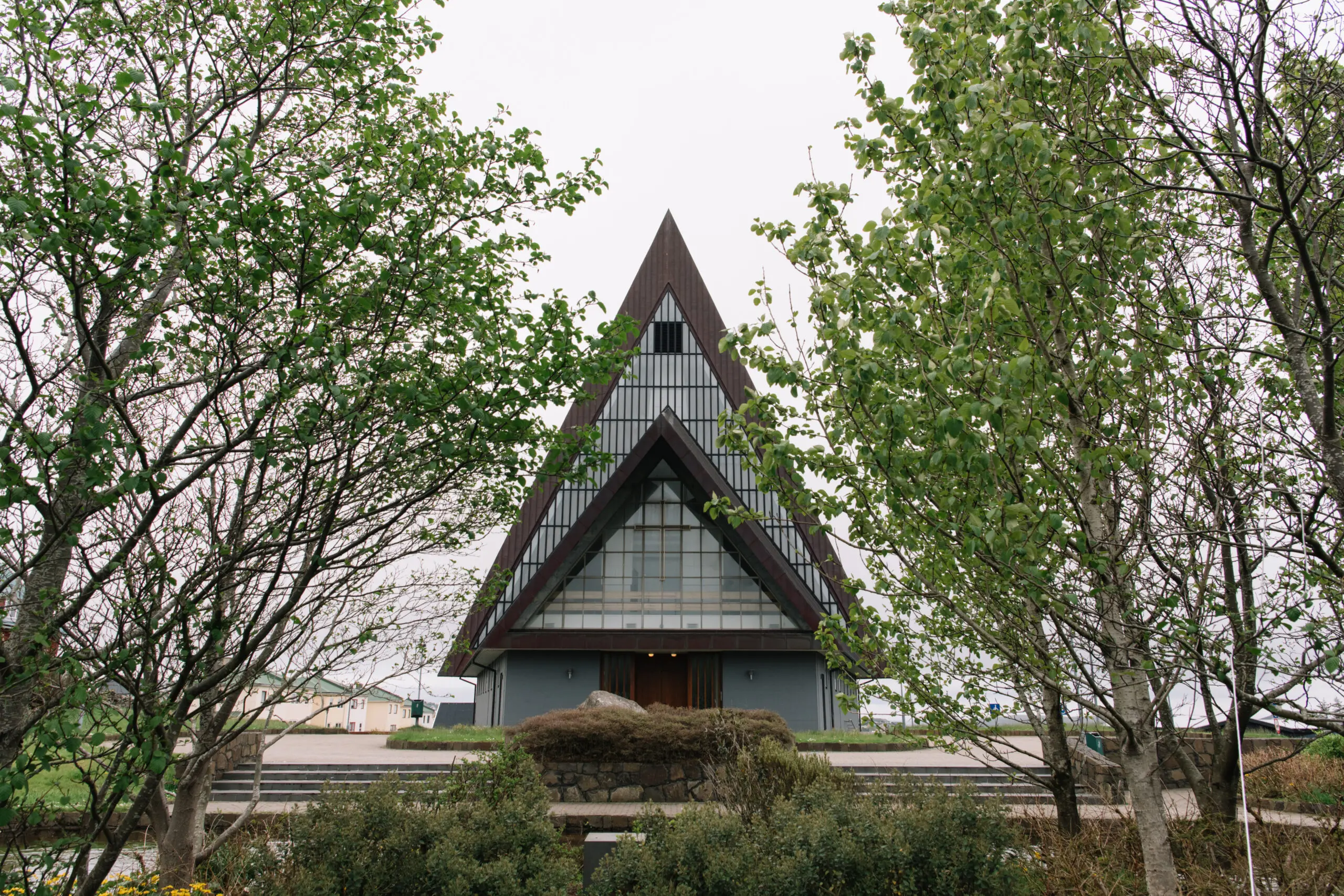

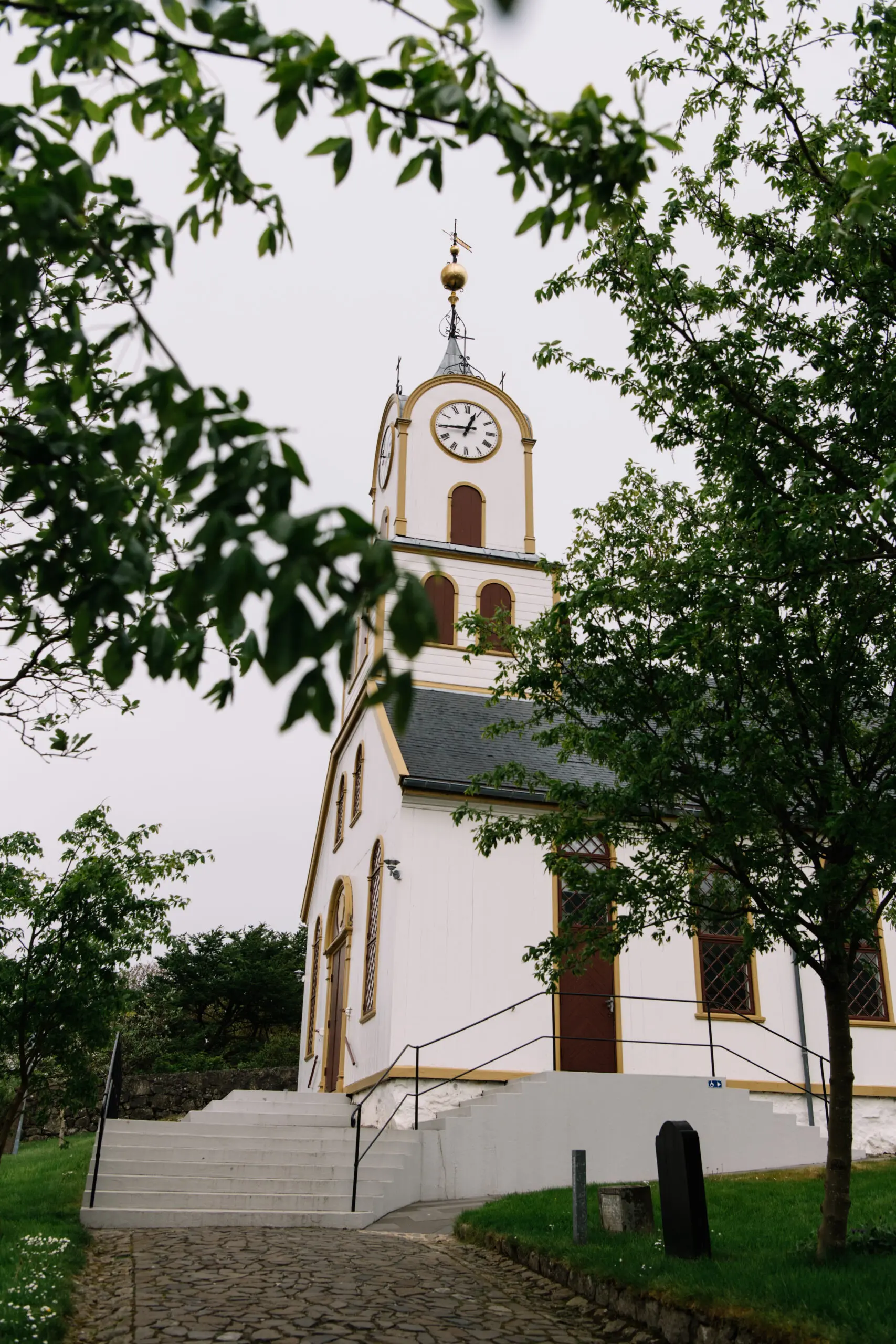
Information on accessibility throughout the churches in Tórshavn
| Churches | Good accessibility | Fair accessibility | Accessible toilet | Elevator | Accessible parking | Hearing impaired | Comments |
|---|---|---|---|---|---|---|---|
| Argja kirkja | |||||||
| Havnar kirkja | Entrance is on the south side. | ||||||
| Hoyvíkar kirkja | |||||||
| Mariukirkjan | |||||||
| Vesturkirkjan |
= YES = NO
 torsinfo@torshavn.fo
  +298 30 24 25
  Facebook
 Instagram